News
Stay up to date with all the incredible activities and opportunities driven by the TEC directorate
Latest TDE Highlights Brochure Now Published!
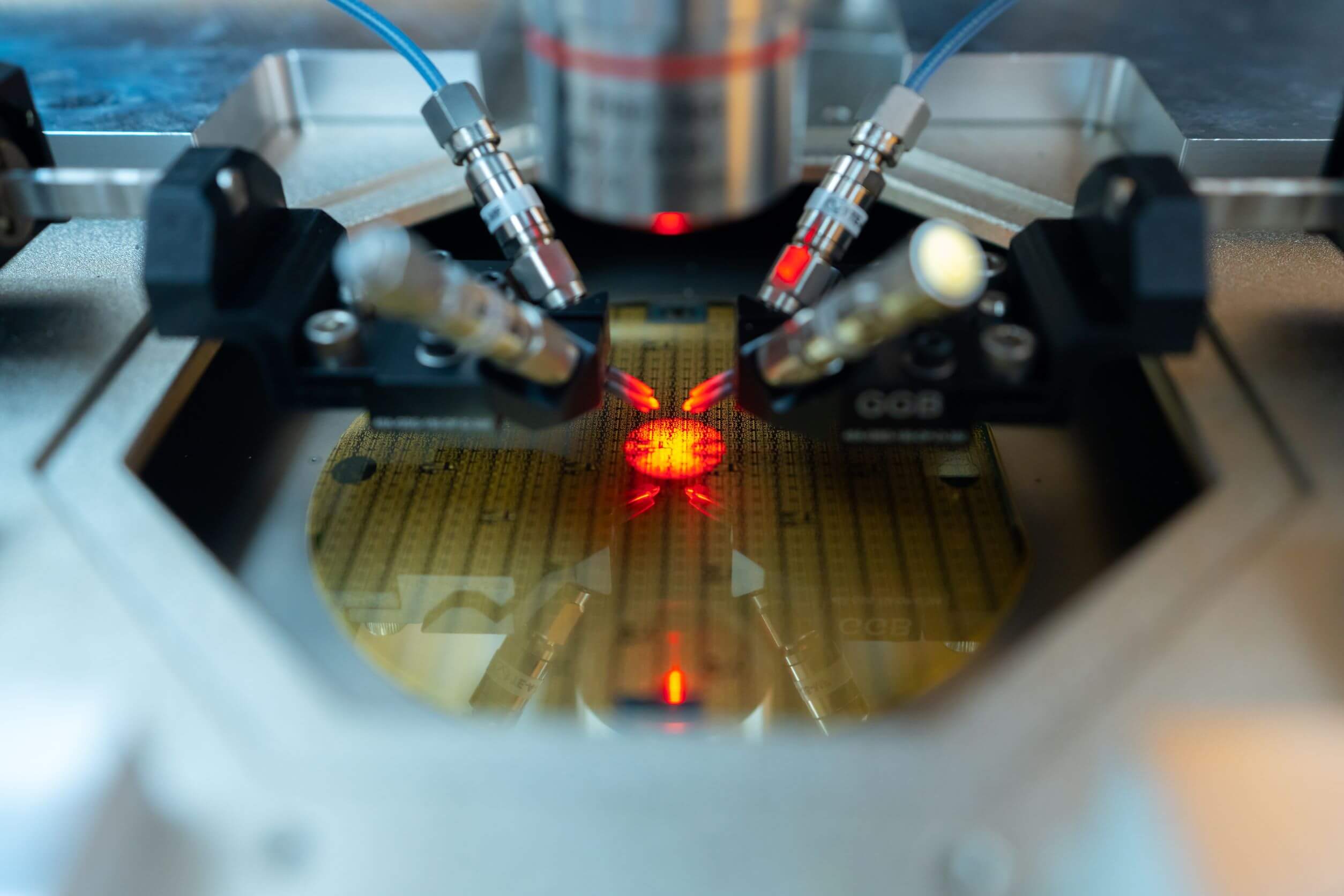
Going GaN: Novel Chips Powering Space Missions
Some of ESA’s most ambitious future missions for telecommunications and Earth observation have only become possible because of a switch to a novel high-power and high-temperature capable semiconductor – sometimes termed the most promising material since silicon. ESA laboratory testing has confirmed the performance of key European-made Gallium Nitride components.
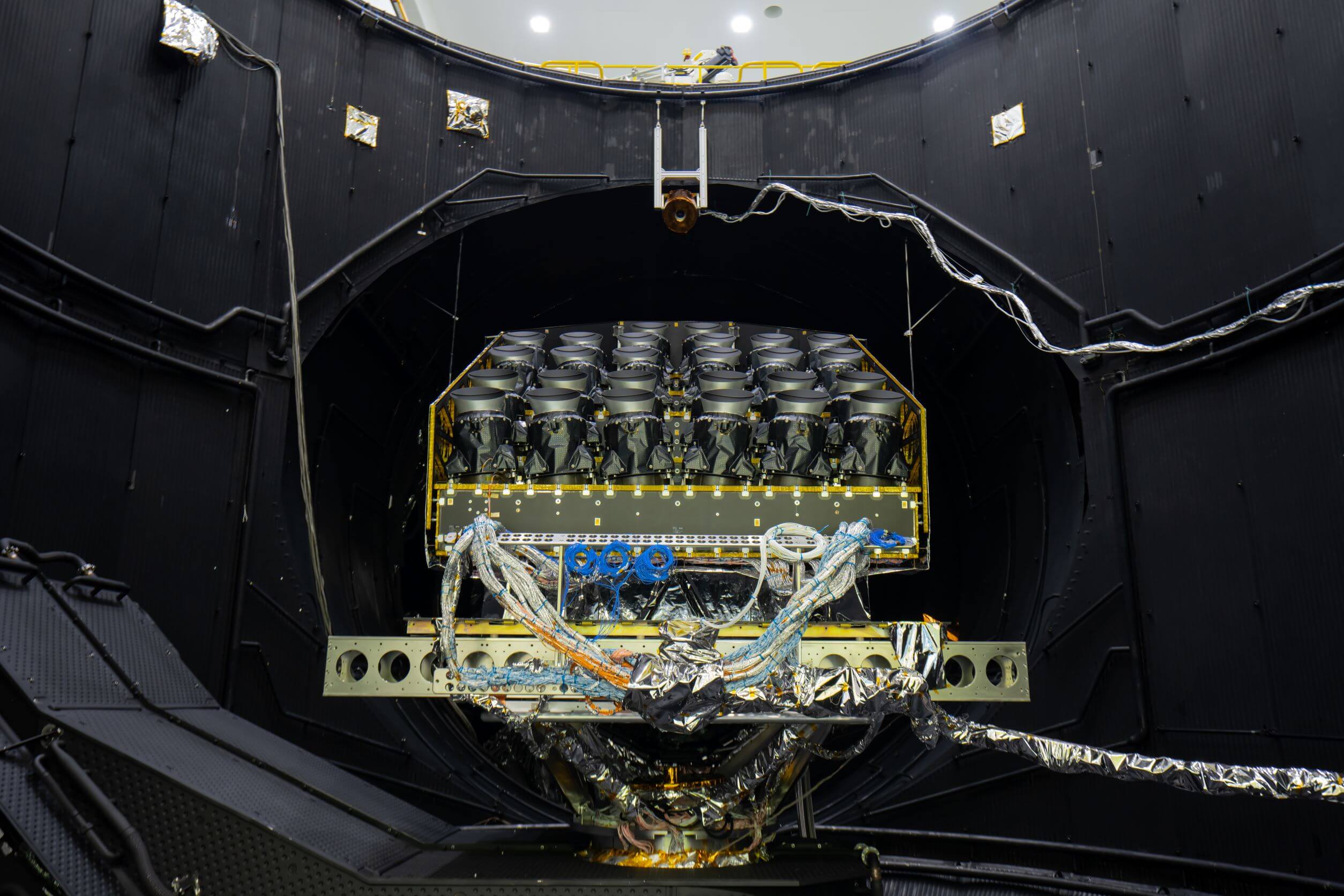
Plato’s Cave: Vacuum Test for Exoplanet Detection
A test version of the payload module of ESA's exoplanet-detecting Plato spacecraft underwent a prolonged vacuum soak within Europe’s largest thermal vacuum chamber, to evaluate its endurance of space conditions.
Vacuum Soak for Satellite Brain
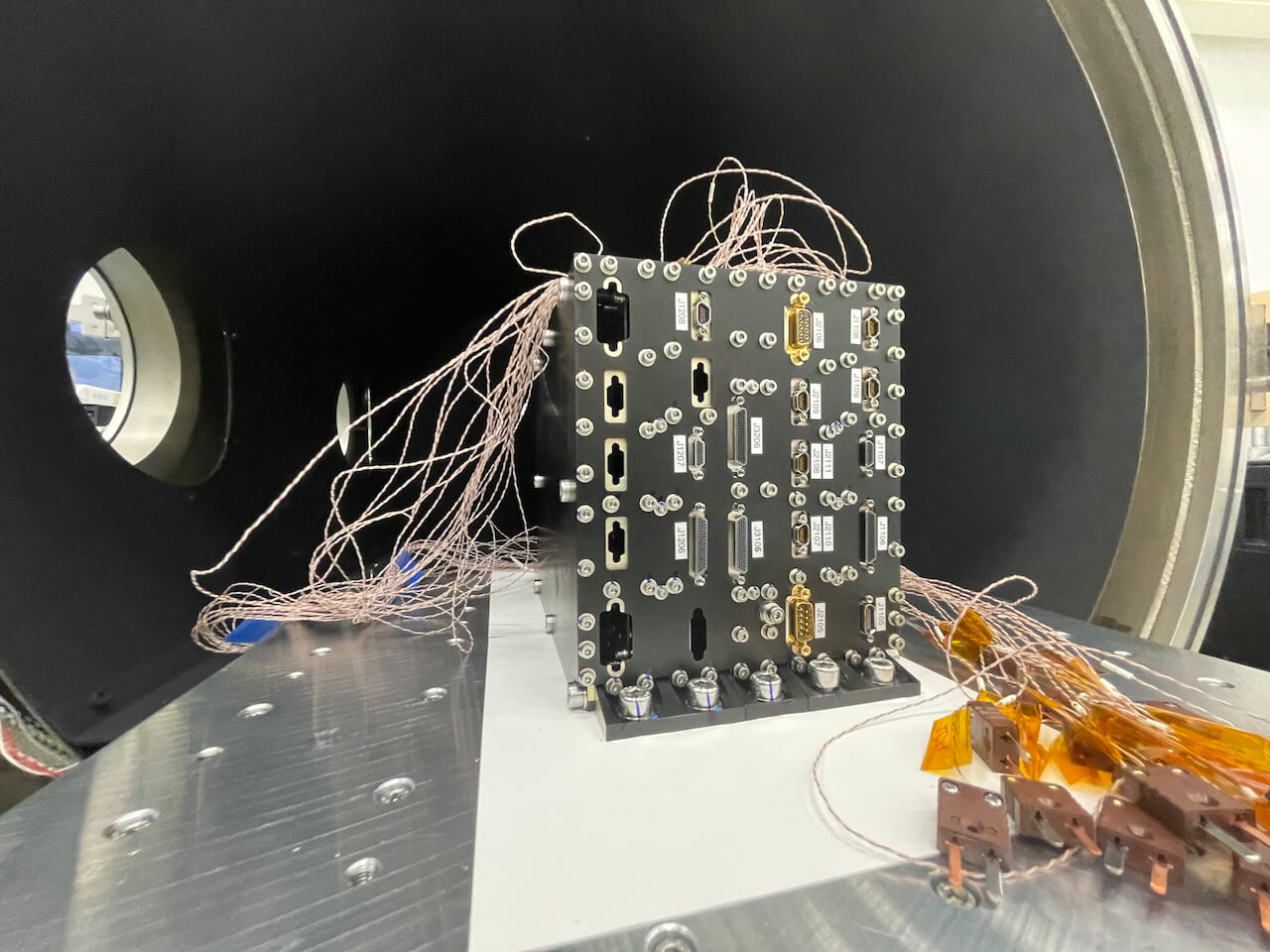
A spacecraft computer is not much use if it cannot keep on running in space conditions – so this qualification model of QinetiQ Space’s new onboard computer design has just spent two weeks in a thermal vacuum chamber in ESA’s Mechanical Systems Laboratory at ESTEC in the Netherlands, exposed to the equivalent hard vacuum and temperature extremes of Earth orbit and deep space.
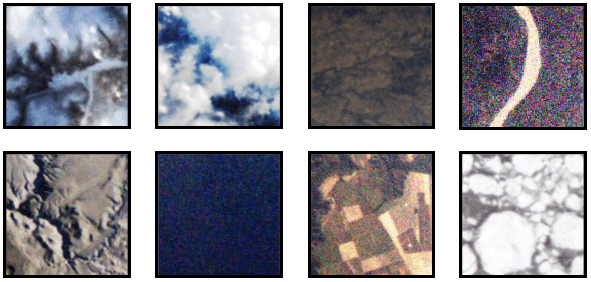
Teach an Earth-observing Satellite to Know What it Sees
For decades now Earth observation satellites have been monitoring our ever-changing home planet; the next step is to enable them to recognise what they see. The latest public challenge for the machine learning community from ESA’s Advanced Concepts Team is to train satellite software to identify features within the images it acquires – with the winning team getting the unique opportunity to load their solution to ESA's OPS-SAT nanosatellite and test it in orbit.